



Third Parent Initiative

Every diagnosis has
a second patient.

My brother lives with schizophrenia. I became his caregiver before I had a word for it — and found there was nowhere for people like me to go. This is that place.

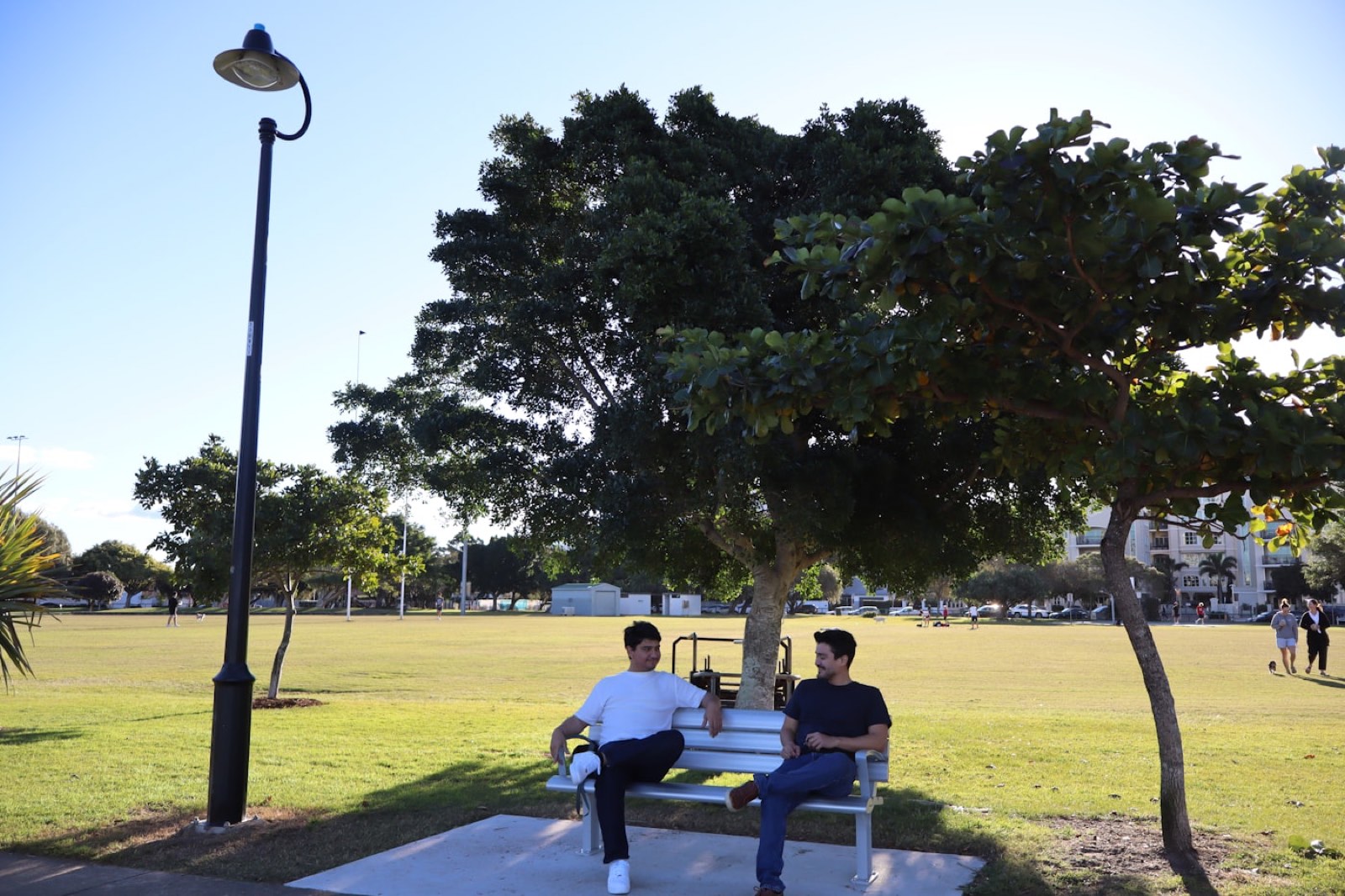
Two people talking quietly on a park bench

Why "Third Parent"

I became one before I had a word for it.

My brother was diagnosed with schizophrenia. Nobody handed me a manual. No counselor asked if I was okay. No form had a box for "sibling of someone living with psychosis."

So I built the thing I needed. Not a parent, not a professional — something in between, doing work that rarely gets a name, let alone support.

"It comes with silence, stigma, and a kid still expected to turn in homework on time."

Rows of empty chairs in a quiet room

What We Offer

Five ways in, depending on what you need.

01

Peer Support Groups

Weekly circles for siblings, kids, and parents caring for someone with serious mental illness. No fixing — just people who get it.

02

Toolkits & Guides

Plain-language guides on psychosis, crisis planning, and what to say when there's no right thing to say.

03

School Partnership Program

We train counselors to act when a caregiving student is identified — extensions, excused absences, real check-ins.

04

Resource Navigation

One-on-one help finding psychiatric care, financial aid, and respite, so you're not Googling it alone at 1am.

05

Community & Newsletter

A monthly letter and a community that doesn't need the backstory explained twice.

Our Theory of Change

You can't support a caregiver you can't see.

Schools ask dozens of intake questions. Almost none ask this: "Do you help care for a family member with a mental illness or disability?" Our plan starts there.

1

Ask the question

One line, added to intake forms schools already send.

2

Reach out directly

A real person contacts every student who says yes.

3

Train the counselors

Extensions and check-ins, backed by actual training.

4

Connect to support

A warm handoff into groups and resources — not a link.

5

Measure it

Track outcomes so the policy proves itself.

What we track, stage by stage illustrative — real numbers land as pilots launch

Caregivers identified
Connected to resources
Attending support groups
Receiving accommodations
Grades improved

Research

The question I couldn't stop asking.

Out of every 100 students

~14 miss school to care for someone else — a family member managing illness, disability, or age.

National average vs. high-need districts

National average
13.8%
Some districts
35%+

Source: national and district-level student caregiver surveys. [Add your published citation & link here]

Physical caregiving is visible. Psychiatric caregiving isn't. A student who misses school for a parent's chemotherapy can say so out loud. A student who misses school because their brother is in a psychiatric unit usually can't — not without inviting stigma from a teacher who's never been trained to hold it.

Our plan starts with the identifying question because you can't fix what schools never measure. From there, we track grades before and after accommodations go in place. See Our Plan.

Sources & Further Reading

  • [Add: title, author, publication, year, link]
  • [Add: title, author, publication, year, link]

Get Involved

Third parents don't do this alone. Neither should we.

Volunteer

Facilitate a group or bring your skills to a school partnership.

Learn more →

Donate

Every dollar builds a support group, toolkit, or partnership.

Donate →

Partner Your School

Bring the identification policy and counselor training to your district.

Start a partnership →

Share Your Story

If you're a third parent too, your story helps make the case.

Reach out →